Skip to Main Content Skip to Footer Content

Multi-Unit Dryer Vent Cleaning for Property Managers in Rhode Island

Tenant complaints about longer drying times, overheated laundry rooms, burning smells, or lint collecting around vents can quickly escalate in multi-unit properties. Property managers of apartment communities across Providence, Warwick, and Cranston often deal with shared vent systems that accumulate lint faster, affecting multiple units at once and increasing fire risk and maintenance demands.

Instead of managing repeated issues unit by unit, Dryer Vent Wizard of Rhode Island handles multi-unit dryer vent cleaning with a system-wide approach. Our team efficiently works through shared duct lines and individual connections, helping property managers reduce service calls, maintain safer conditions, and keep laundry facilities running more reliably.

Multi-Unit Dryer Vent Cleaning for Property Managers in Rhode Island
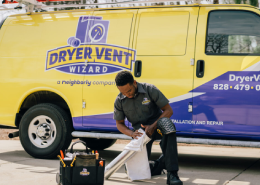
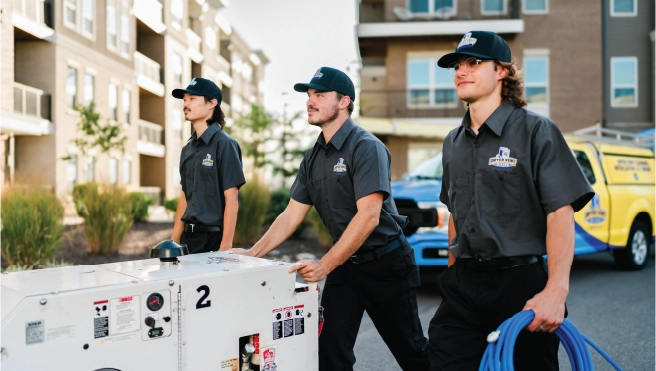
Dryer Vent Wizard truck parked outside of an apartment complex.

Trusted Multi-Unit Dryer Vent Cleaning in Rhode Island

Dryer Vent Wizard of Rhode Island is a trusted partner for multi-unit dryer vent systems that require a coordinated, property-wide approach. In apartment communities, shared vent lines often collect lint deep within the main trunk lines, creating airflow restrictions that affect multiple homes. Our specialized focus on dryer vent networks helps restore balanced airflow, improve safety, and maintain consistent drying performance throughout the property.

Our Multi-Unit Dryer Vent Cleaning Process

  • System-Wide Vent Review: We check both shared trunk lines and individual unit connections to uncover hidden blockages, improper routing, and potential safety concerns.
  • High-Volume Lint Extraction: Using professional equipment, we remove heavy lint buildup from main ducts and branch lines that serve multiple units, helping restore proper airflow.
  • Unit-by-Unit Airflow Testing: Each connected dryer line is checked to confirm balanced exhaust flow, helping ensure consistent performance across the property.
  • Vent Condition Assessment: We identify crushed, damaged, or outdated duct sections that may restrict airflow or contribute to energy waste.
  • Clear Property Reporting: You receive straightforward documentation of findings along with recommended next steps to support ongoing maintenance planning.

Issues in shared systems can affect every unit, not just one. Schedule multi-unit dryer vent cleaning in Rhode Island today to protect residents, reduce risk, and maintain consistent performance across your property.

Trusted Multi-Unit Dryer Vent Cleaning in Rhode Island
Three male Dryer Vent Wizard professionals pushing supplies towards an apartment complex.
Service You Can Trust!

Let us know how we can help you today.

White Dryer icon.
Still need more information?

Our team of experts are here to answer any questions you may have.

  • Adamsville
  • Albion
  • Ashaway
  • Barrington
  • Block Island
  • Bradford
  • Bristol
  • Carolina
  • Central Falls
  • Charlestown
  • Chepachet
  • Clayville
  • Coventry
  • Cranston
  • Cumberland
  • East Greenwich
  • East Providence
  • Exeter
  • Fiskeville
  • Forestdale
  • Foster
  • Glendale
  • Greene
  • Greenville
  • Harmony
  • Harrisville
  • Hope
  • Hope Valley
  • Hopkinton
  • Jamestown
  • Johnston
  • Kenyon
  • Kingston
  • Lincoln
  • Little Compton
  • Manville
  • Mapleville
  • Middletown
  • Narragansett
  • Newport
  • North Kingstown
  • North Providence
  • North Scituate
  • North Smithfield
  • Oakland
  • Pascoag
  • Pawtucket
  • Peace Dale
  • Portsmouth
  • Providence
  • Prudence Island
  • Riverside
  • Rockville
  • Rumford
  • Saunderstown
  • Shannock
  • Slatersville
  • Slocum
  • Smithfield
  • Tiverton
  • Wakefield
  • Warren
  • Warwick
  • West Greenwich
  • West Kingston
  • West Warwick
  • Westerly
  • Wood River Junction
  • Woonsocket
  • Wyoming

Frequently Asked Questions

  • In multi-unit properties, several dryers are often connected to a single vent line. A restriction in one section can reduce airflow across multiple units, leading to widespread performance issues.